
Holiday Tips

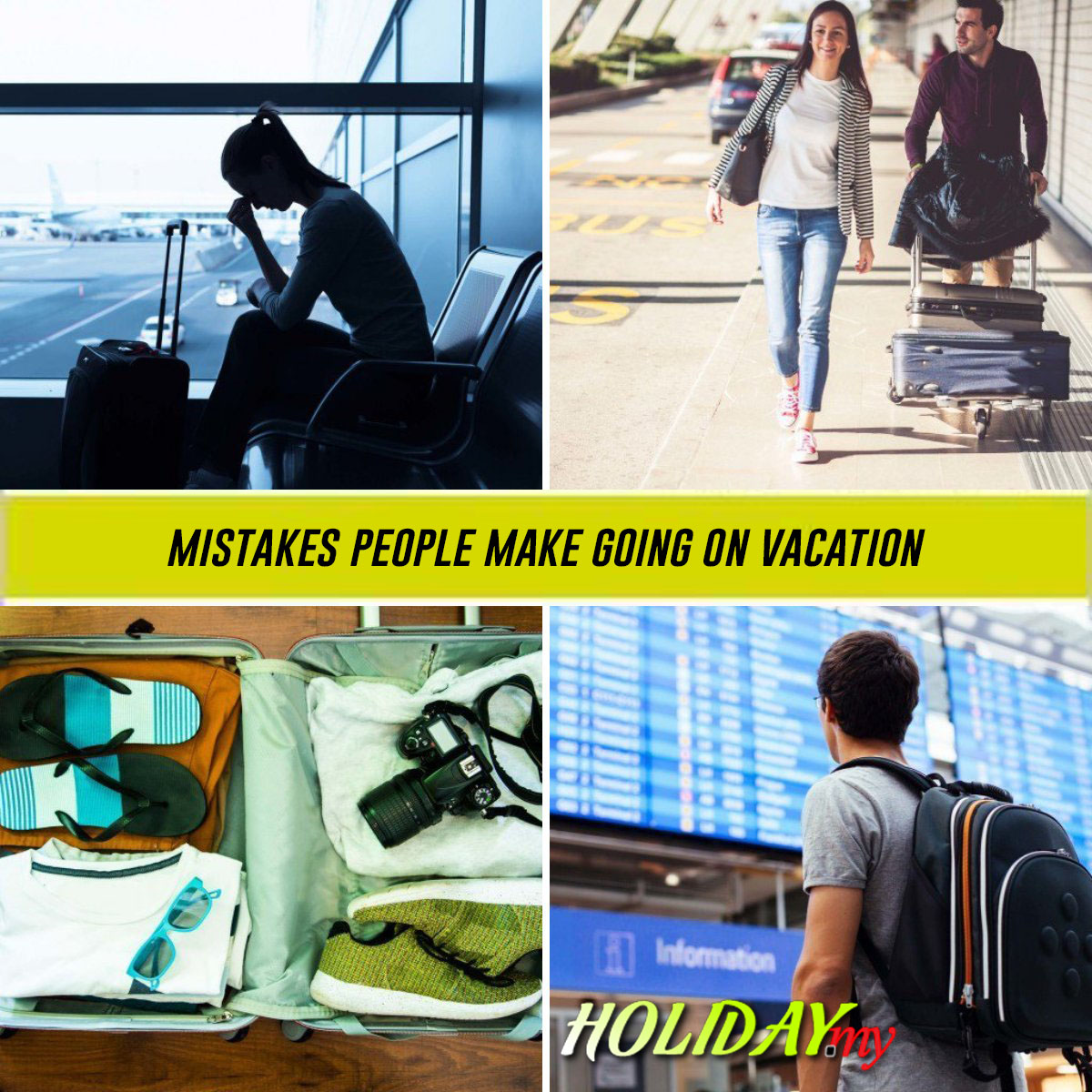
Top 6 mistakes people make going on vacation
Travelling can be very fun if you make all the necessary arrangements and adjustments before you leave. Otherwise, you will…
Traveling with kids on long journeys
It is true that a child changes everything. Traveling with your kids around will never be the same again. In…
Bird Watching in Malaysia
Hundreds of bird species await you in Malaysia’s tropical climate all-year round. You’ll get a chance to see the birds…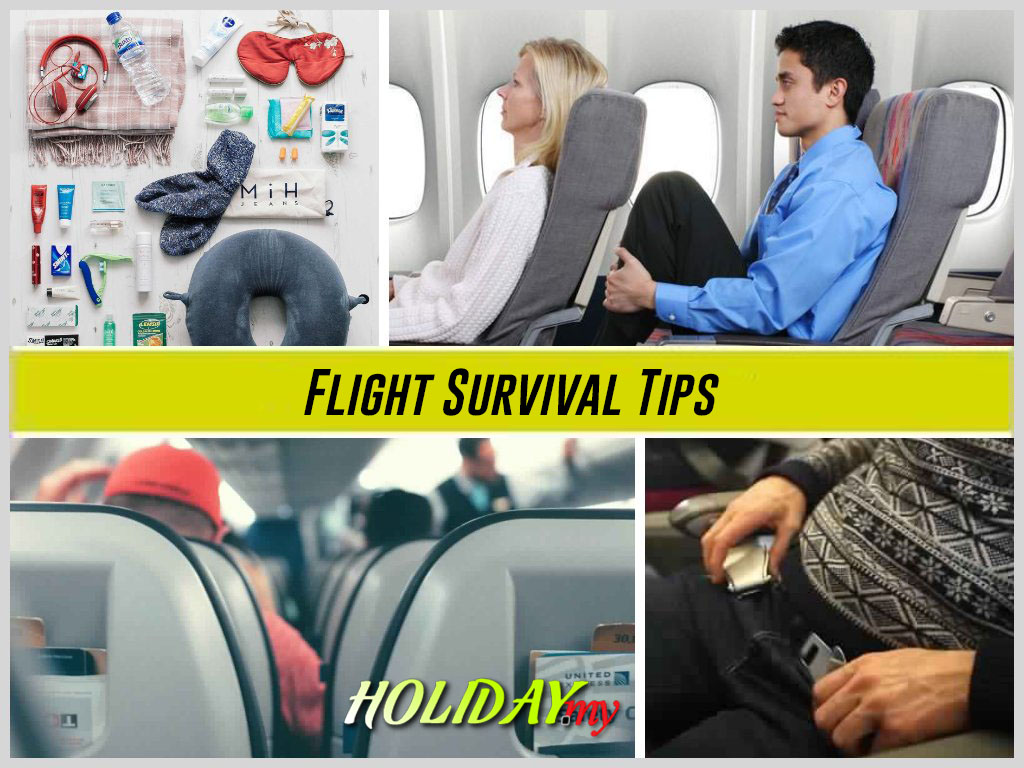
Flight Survival Tips
Perhaps, in a few days time, you will board the plane and fly off to your preferred destination. You may…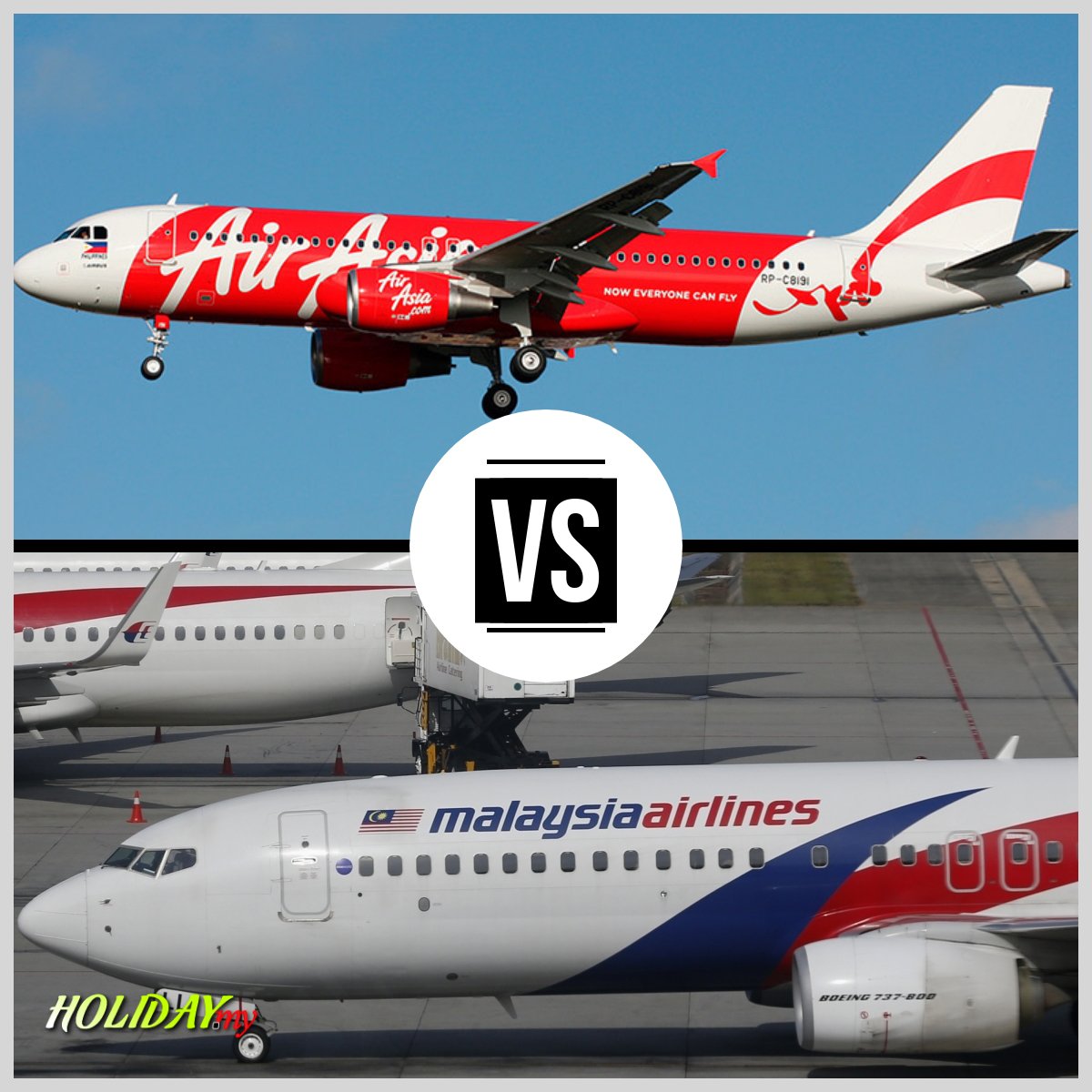
Why people prefer Malaysia Airlines instead of Air Asia
Malaysia Airlines or Air Asia? We have the answer If you have flown to a destination either for business or…
Malaysia’s Top family travel and leisure destinations
Malaysia, a renowned tropical vacation in the world, is a perfect destination for you to plan educational holidays with your…
Travelling with kids in the airport
Travelling can be quite a challenge especially when you have kids with you. The more children you have, the harder…Tips for Foreigners Travelling to Malaysia
Malaysia is a renowned multicultural country with a diverse population in the eyes of the world. You’ll gain more than…
Travel Tips for a Safe & Smooth Holiday
Regardless of whether you are travelling for business or simply a weekend getaway with your loved ones, it should be fun. To ensure that you can travel safely, arrive at your destination on time and avoid difficulties such as scams and culture shock, learn a little on travel safety tips. Read on for more information.
Protect Documents
Keep photocopies of your passport and cards separate from the originals.
Avoid Scams
Blend in, stay alert, and confirm fares before getting into transport.
Stay Healthy
Know nearby hospitals and note any food allergies before you go.
8 Essential Travel Safety Tips
Practical, tested advice to help you travel safely from departure to arrival.
Keep Photocopies of Important Documents
It is rather common for travelers to stash and hide their passports on the waist pack to prevent snatch theft. However careful you are, professional snatch thieves can still get ahold of your important documents. Bear in mind that you are now abroad — without a passport you must travel to an embassy or consulate to get a new one. To make the process convenient, keep photocopies of important documents, particularly your passport and credit cards, but store them separately from the originals. If your hotel room has a safe deposit box, keep the photocopies in it.
Avoid Scams When Abroad
No matter where you go, street scams and conmen tend to target tourists as their victims. Do not overdress to flaunt that you are a tourist — try to blend in with the locals and stay alert. A common scam happens when photographers offer to take your picture and then ask for money in return. Cab drivers may also overcharge you, so bargain and confirm the fare before getting in, and do not hesitate to walk away if they refuse to use the meter.
Avoid Culture Shock When Traveling
When an Asian travels to Western countries, most probably they feel uncomfortable with the different cultures practiced there, and the same applies to Westerners visiting Asian countries. Take your time to adapt to the changing environment. To cope with culture shock, identify the symptoms and overcome them by picking up several common local dialects, and establish relationships with locals to blend in and enjoy their culture. You will only spend a short period of time there, so take the opportunity to make new friends.
Coping With Jet Lag
Identify the symptoms of jet lag first so it is easier to deal with — it generally occurs across a time difference of more than five hours, causing sleep disorders, mental confusion, and gastro-intestinal problems. To prevent it, prepare yourself right when you board the plane: take sufficient fluids throughout the journey and try to move around while on board.
Using Foreign Currency When Traveling
When traveling abroad, carry more than enough foreign currency for emergencies. Tourists must use the currency issued by that specific country, so head to the nearest bank to buy local currency as needed. Try not to obtain more than the amount needed on a daily basis, as exchange rates differ day by day — if you acquire more than you need, you may have to sell it back at a lower price if the market fluctuates.
Pack Luggage Wisely
Prepare a checklist of what you ought and ought not bring, and roll your clothes to save luggage space. Check travel rules and restrictions, such as liquid security limits, before packing. Research your destination to determine suitable clothing, and bring comfortable walking shoes and sandals. Avoid fancy clothes that set you apart from locals and attract conmen or street scams.
Practical Tips to Select a Hotel Room
It is generally safer to stay in four- or five-star hotels, which offer safe deposit boxes and security cameras throughout the property. If using an electronic safe deposit box, wipe the touch keys before entering your code. If traveling alone, check that your room is clear once you enter, and leave the lights on at night to give the impression the room is occupied.
Health Tips
Before you embark on your journey, check useful numbers and addresses of nearby hospitals, or ask when you check in at the hotel. Note any diseases present at your destination to avoid infection, and watch the food and drinks you consume. If you have food allergies, prepare a list to remind yourself.
After reading all the travel safety tips and secrets, you can enjoy your hassle free holidays!
Phrases You Can Use When Travelling in Malaysia
English and Bahasa Malaysia are the main conversational languages — a few local phrases go a long way.
Why Learn a Few Words
The main conversational languages in Malaysia are English and Bahasa Malaysia, the local language. If you are a foreigner, some knowledge of the local language is essential in case you meet locals who do not speak English. This can be rare, but a few important phrases will be helpful in many ways. Malaysians are very friendly people and will not feel offended if you use the wrong phrase, so long as they know you are trying.
How BM Is Used
English is commonly used, so it is quite universal. If you know Mandarin, Cantonese, or Tamil, you can also use them with Chinese and Indian communities. Bahasa Malaysia, or BM, is generally similar to Bahasa Indonesia, though the way it is used and applied differs in some ways.
Berapa, Saya & Makan
The most common phrase you will use is “How much?” — a simple “Berapa?” is sufficient, and it also means “How many?”. “Saya” means “Me” or “I” — modern BM has incorporated “I” too, so either works. “Eat” or “eating” is “Makan”: “I nak makan” or “Saya nak makan” means “I want to eat”, where “nak” means “want to” or “would like to”.
Awak, Duit & Lah
“You” is “Awak” or “Kau” — English “you” works too. “She”, “he” and “them” are all “dia”. “Money” or “cash” is “Duit” or “wang”, and “Price” is “harga”, so “Berapa harga?” asks the price of an item. “Please” or “Help” is “tolong”. Malaysians also add “lah” to the end of sentences — it does not mean anything, similar to a comma or full stop.
Greetings & Basics
Welcome – Selamat Datang
Good Morning – Selamat Pagi
Good Afternoon – Selamat Tengah Hari
See You Again – Jumpa Lagi
Yes / No – Ya / Tidak
Thank You – Terima Kasih
EVERYDAY PHRASES
Getting Around
Please – Sila
My Name Is – Nama Saya Ialah…
Please Stop Here – Sila Berhenti Di Sini
Can You Reduce the Price – Boleh Kurang?
Wait a Minute – Tunggu Sekejap
Where Is the Toilet – Di Mana Tandas?
What Time Is It – Pukul Berapa Sekarang?
TRAVEL & TRANSPORT
Food & Drink
Bread – Roti | Beef – Daging Lembu | Chicken – Ayam | Delicious – Sedap | Coffee – Kopi | Tea – Teh
ORDERING MADE EASY
Bargaining in Malaysia
Shopping and bargaining goes hand in hand. In markets and flea stalls, prices are rarely fixed, so the rule of thumb is to compare, bargain, and never accept the first offer.
- Bargain in night markets, flea markets, and places like Petaling Street
- Push the value down to about half the asking price before moving up
- Shop around and compare prices at repeat stalls before deciding
- Set a maximum price range in your head before you start haggling
- Walk away if the price doesn’t move — sellers often chase with a better offer
- Try to bargain in shopping malls where prices are usually fixed
- Pay the very first price offered, even if it seems lower than expected
- Feel rude walking away — sellers face this every day
- Enquire about discounts thinking it works the same as bargaining
Tips on Bringing Cash Into Malaysia
Know the limits, and know your best option for exchanging money once you land.
Currency Rules & Declarations
Malaysia is governed by the Malaysian Currency Exchange Control Order (Import and Export) (General) 1998, which allows foreigners and tourists to bring in up to RM1,000, while anything below USD10,000 should be declared regardless of whether it is foreign currency or traveler’s cheques. In most cases you will not be questioned by immigration, but declaring what you carry is advisable. If you are not carrying much cash, it is considered fine not to declare it.
What Is Your Best Option?
Changing currency to Malaysian Ringgit is easy and readily available around the country, with different denominations found at most banks and licensed moneychangers in shopping malls, airports, and commercial areas. Most moneychangers do not charge fees, and rates here are usually slightly better than changing Ringgit back home. Bring major currencies like the British Pound, US Dollar, or Australian Dollar, and change about RM500 at the airport to get around — better rates can be found later at shopping malls. Damaged notes will not be accepted, and it’s best to change your Ringgit back before leaving since rates are always better here.
What to Do During Emergencies
In most countries the emergency number is 999 — the same applies in Malaysia, with an alternate number for mobile phones.
Bring Your Own Phone
Public phones can be vandalized or poorly maintained, so carrying your own cell phone is recommended for emergencies.
Ask for Help
Malaysians are known to be very helpful — passers-by and police officers will assist if you’re in doubt or difficulty.
Reporting Theft
Walk into the nearest police station to make a report, or take a taxi there. Never attempt to bribe an officer — it is a serious offence.
Is It a Common Practice to Tip?
Tipping isn’t mandatory in Malaysia, since most bills already include a service charge.
The Service Charge
What’s Generous
Tips for Women Travellers
A few cultural notes to keep in mind, especially outside major cities.
Conservative Regions
A large population of Malaysians are Muslim, and women are treated conservatively in religiously strong states like Kelantan and Terengganu. Major cities like Kuala Lumpur and Georgetown are far more open-minded.
Dressing Appropriately
Avoid under-dressing in public, as some people may not appreciate it. There are no beaches that allow dressing skimpily, though bikinis are fine at beach resorts if you’re comfortable being looked at.
Temples & Worship
Cover your chest, arms and legs when entering temples or places of worship. T-shirts, jeans and pants are acceptable, but avoid short skirts, and check locally if a scarf is needed.